
The student protests of the University of New Mexico's seal continue:
Abolish the Racist Univ. of New Mexico Seal
Native American students hold rally, demanding UNM’s seal be abolished
Protesters confront UNM leader over seal
Finally, university officials respond to the controversy:
University president doesn't see seal that excludes Native people as racist
Protest of UNM official seal attracting attention from administrators
Meanwhile, myopic Latinos refuse to acknowledge the indigenous part of their heritage:
Latino students at N.M. University upset over possible revision of Spanish seal
Because having a European or white heritage is better, I guess.
Showing posts with label government seals. Show all posts
Showing posts with label government seals. Show all posts
May 03, 2016


March 31, 2016
Students protest UNM seal
Protesters: Native American-made seal not native enough
The students are accusing the school of racism because the seal shows a frontiersman and a conquistador, but not a Native American.
The seal was designed by Theda Douglas Rushing, a Native American.
By Anthony GockowskiStudents at the University of New Mexico (UNM) are protesting their school’s official seal because of its implicit discrimination against Native Americans even though the seal itself was created by a Native American artist.
UNM’s student activists are accusing the school of racism because the seal depicts a frontiersman standing alongside a conquistador but fails to portray their historical counterpart—indigenous people. And:“The UNM [official seal] celebrates genocide and conquest—both are violations of basic human rights and belong in a museum of a bygone era,” said Nick Estes. “It’s 2016 and UNM is still celebrating crimes against humanity—colonialism and genocide—and Natives are still underrepresented at all levels at the University.”
However, UNM awarded Native American artist Theda Douglas Rushing a Meritorious Service Medal in 1994 for her outstanding contributions to the school, among which was the creation of the school’s now discriminatory seal. 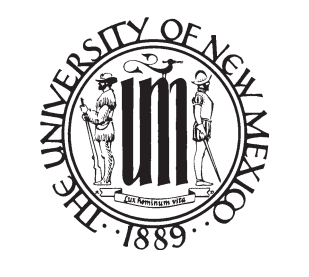
Discussion
A Facebook discussion of this key point: Students protest a UNM seal that shows a frontiersman and a conquistador, even though a Native woman designed it.
I wonder if she was given free rein or a strict mandate. Kind of hard to believe someone thought a frontiersman and a conquistador were great ideas in the 21st century.
Apparently the redesign was back in 1980. I can understand that some people, including Natives, might not have thought about the problems much back then.
But I'm surprised it hasn't been protested out of existence since then. A frontiersman and a conquistador don't have anything to do with education. If anything, they're anti-education.
The message is nothing but, "Europeans founded this state and school. Europeans made us great." How is that not glaringly obvious to everyone--not to mention embarrassing?
They're even holding a gun and a sword. It's a pure conquest message--with Indians and their land as the implied booty. There's no educational message whatsoever.Yes. All that's missing is an equally in your face motto. "We exist because these guys spilled blood." Oddly, their school motto is "Lux Hominum Vita (Life, the Light of Men)." I guess because "Veni, Vidi, Vici" was taken?
For more on government seals, see Whitesboro Issue Increases Awareness and Flipping the Whitesboro Script.
By Anthony Gockowski
UNM’s student activists are accusing the school of racism because the seal depicts a frontiersman standing alongside a conquistador but fails to portray their historical counterpart—indigenous people.
However, UNM awarded Native American artist Theda Douglas Rushing a Meritorious Service Medal in 1994 for her outstanding contributions to the school, among which was the creation of the school’s now discriminatory seal.
Discussion
A Facebook discussion of this key point: Students protest a UNM seal that shows a frontiersman and a conquistador, even though a Native woman designed it.
I wonder if she was given free rein or a strict mandate. Kind of hard to believe someone thought a frontiersman and a conquistador were great ideas in the 21st century.
Apparently the redesign was back in 1980. I can understand that some people, including Natives, might not have thought about the problems much back then.
But I'm surprised it hasn't been protested out of existence since then. A frontiersman and a conquistador don't have anything to do with education. If anything, they're anti-education.
The message is nothing but, "Europeans founded this state and school. Europeans made us great." How is that not glaringly obvious to everyone--not to mention embarrassing?
They're even holding a gun and a sword. It's a pure conquest message--with Indians and their land as the implied booty. There's no educational message whatsoever.
For more on government seals, see Whitesboro Issue Increases Awareness and Flipping the Whitesboro Script.
January 25, 2016
Whitesboro issue increases awareness
After widespread criticism, the town of Whitesboro has agreed to change its seal. That's good, but the larger story is what Native activists are accomplishing:
Whitesboro drops 'racist' seal: Sign of the times for Native Americans?
A decades-long debate over the Whitesboro, N.Y., seal has led to 'victory' for Native Americans who said it was offensive to their heritage. Are America's first people gaining more recognition?
By Lucy SchoutenAfrican Americans have arguably made more progress than indigenous people in scrubbing the American landscape of hateful or racist symbols and celebrating their heritage. For example, Martin Luther King Jr. Day and Black History Month in February are longstanding holidays that have honored black Americans for years, yet native Americans are only recently finding similar holiday recognition. The latest effort is to change the existing Columbus Day holiday to Indigenous Peoples Day, reported The Christian Science Monitor's Molly Jackson:South Dakota and Berkeley, Calif., were among the first to pay attention, choosing to use the second Monday in October to honor the New World’s first inhabitants instead of its 15th century newcomers. ... Further protests seemed to fall on deaf ears, until a sudden wave of Columbus cancellations in the past two years: 10 more cities have joined the list, from Albuquerque to Seattle to St. Paul. This new wave may represent a broader shift in how Americans view Native American rights, or at least the growing local political influence of indigenous groups. Comment: Exactly. It's all about increasing awareness. Which leads to improvements in all areas: poverty, crime, health, etc.
Here's one response to people, including Natives, who say we have more important issues to worry about:
With a simple social media protest, we got a torrent of national exposure in the media: NY Times, Washington Post, The Daily Show, Stephen Colbert, etc. What have you done lately that compares to that?
When you raise a poverty, crime, or health issue that gets dozens of pieces of coverage, let us know. Until then, we are at the forefront of raising awareness of Native issues.
Which is not to say we should stop talking about poverty, crime, or health issues. But it's ridiculous to claim that something earning a ton of media coverage is a waste of time. You don't understand how to mobilize people and instigate change if you think one poverty piece is better than dozens of mascot pieces.
#OccupyWallStreet, #IdleNoMore, #BlackLivesMatter, #OscarsSoWhite, and #ChangetheName!
For more on the subject, see Flipping the Whitesboro Script and Comedians Mock Whitesboro Seal.
Whitesboro drops 'racist' seal: Sign of the times for Native Americans?
A decades-long debate over the Whitesboro, N.Y., seal has led to 'victory' for Native Americans who said it was offensive to their heritage. Are America's first people gaining more recognition?
By Lucy Schouten
Here's one response to people, including Natives, who say we have more important issues to worry about:
With a simple social media protest, we got a torrent of national exposure in the media: NY Times, Washington Post, The Daily Show, Stephen Colbert, etc. What have you done lately that compares to that?
When you raise a poverty, crime, or health issue that gets dozens of pieces of coverage, let us know. Until then, we are at the forefront of raising awareness of Native issues.
Which is not to say we should stop talking about poverty, crime, or health issues. But it's ridiculous to claim that something earning a ton of media coverage is a waste of time. You don't understand how to mobilize people and instigate change if you think one poverty piece is better than dozens of mascot pieces.
#OccupyWallStreet, #IdleNoMore, #BlackLivesMatter, #OscarsSoWhite, and #ChangetheName!
For more on the subject, see Flipping the Whitesboro Script and Comedians Mock Whitesboro Seal.
January 17, 2016
Flipping the Whitesboro script
A couple of takes on the Whitesboro seal and what they tell us:

The "Whiteburros" seal is a satire, but it makes an important point. If the real seal shows a friendly wrestling match, then revise it to show both sides as equals. Or the Indian as the superior. Putting the white man in the superior position sends a racist message--whether the town of Whitesboro realizes it or not.

Would any white folks accept this as a seal even if it accurately reflected their history? Then why do you expect Indians to accept an image of an Indian in an inferior position? There's no logical consistency here--just "whites get to show themselves winning because of white privilege."
For more on government seals, see Comedians Mock Whitesboro Seal and Whitesboro Votes to Keep Seal.
The "Whiteburros" seal is a satire, but it makes an important point. If the real seal shows a friendly wrestling match, then revise it to show both sides as equals. Or the Indian as the superior. Putting the white man in the superior position sends a racist message--whether the town of Whitesboro realizes it or not.
Would any white folks accept this as a seal even if it accurately reflected their history? Then why do you expect Indians to accept an image of an Indian in an inferior position? There's no logical consistency here--just "whites get to show themselves winning because of white privilege."
For more on government seals, see Comedians Mock Whitesboro Seal and Whitesboro Votes to Keep Seal.
January 13, 2016
Comedians mock Whitesboro seal
Stephen Colbert brutally mocks Whitesboro's 'racist' village seal (video)
By Geoff HerbertThe village of Whitesboro's controversial seal has drawn national attention -- and now jokes on late-night television.
"The Late Show" host Stephen Colbert brutally mocked the Upstate New York community on Wednesday night's show, calling its recent discussion on whether or not to keep the seal "the most important vote of 2016 in my opinion." He then showed viewers a partial picture of the seal, which some say depicts a white settler choking a Native American man.
"All right, let's not overreact. Maybe... it's not like he symbolically stands for all white guys. What's the name of the guy being depicted on the seal?" Colbert asks.
Then a screenshot from a syracuse.com article shows his name is Hugh White.
'The Daily Show' gave Whitesboro logos for village vote on 'racist' seal
By Elizabeth DoranComedy Central's "The Daily Show" provided serious and "mock" designs of possible village logos to Whitesboro for the village's poll on replacing its current seal that many have criticized as being "racist" and "offensive."
Both the serious and the comical logos were on display during Monday's night vote on whether to replace the controversial village seal, and people could vote for both. The mock designs were on filing cabinets separate from the main logo display to emphasize they weren't actually in the running, Whitesboro Mayor Patrick O'Connor said Wednesday.
The Daily Show had a film crew there capturing residents reactions to the seals on display. All the logos but one were provided by the show; one was done by a local artist.
One 'Daily Show' design shows former NHL goalie Robert Esche, who lives in the Whitesboro area. Others show a white man and a Native American dancing, a white settler and an Indian beating up a British soldier, ar closeup of two cartoon hands shaking, and a white settler dressed as a luchador wrestling with the Native American. Whitesboro mayor speaks out on why village used 'The Daily Show' logo designs
By Elizabeth DoranMayor Patrick O'Connor's statement
The village of Whitesboro seal has been called into question for decades, over the years, minor adjustments have been made, but the theme remains that of a "friendly wrestling match" between Whitesboro's Founder, Hugh White and a Native American.
This friendly wrestling match, which was a normal occurrence during that time period, is what helped foster good relations between the settlers and Native Americans. It is documented that the two shook hands after the wrestling match took place. While there were various depictions of the seal over the years, the original seal dates back to the late 1800s. And:We are in the process of forming a committee to look at options for modifying the current seal to create a more modern, professional, and culturally acceptable option that will reflect the historic relationship between our founder Hugh White and the Oneida American Indian he befriended. We expect this to be a lengthy process, but ultimately it may include an updated depiction of the friendly wrestling match, that appears less offensive, while still representing the original encounters of our settler with Native Americans. Rob's reply
If the handshake is documented, show the freakin' handshake rather than the "wrestling" takedown. Even on your own ludicrous terms, Mayor O'Connor, you're failing. You're not showing "good relations," you're showing the white dominance (in wrestling) that led to good relations. And your investment in this white dominance is precisely the problem.
Of course, there's no need to focus on the "good relations," which are now ancient history. If you insist on it, you could show a lone Indian giving a blessing. Or an Indian and a white man building something together. There's absolutely no need to regurgitate the Indian's loss in the alleged wrestling match.
For more on government seals, see Whitesboro Votes to Keep Seal and Massachusetts Sued Over State Seal.
By Geoff Herbert
"The Late Show" host Stephen Colbert brutally mocked the Upstate New York community on Wednesday night's show, calling its recent discussion on whether or not to keep the seal "the most important vote of 2016 in my opinion." He then showed viewers a partial picture of the seal, which some say depicts a white settler choking a Native American man.
"All right, let's not overreact. Maybe... it's not like he symbolically stands for all white guys. What's the name of the guy being depicted on the seal?" Colbert asks.
Then a screenshot from a syracuse.com article shows his name is Hugh White.
'The Daily Show' gave Whitesboro logos for village vote on 'racist' seal
By Elizabeth Doran
Both the serious and the comical logos were on display during Monday's night vote on whether to replace the controversial village seal, and people could vote for both. The mock designs were on filing cabinets separate from the main logo display to emphasize they weren't actually in the running, Whitesboro Mayor Patrick O'Connor said Wednesday.
The Daily Show had a film crew there capturing residents reactions to the seals on display. All the logos but one were provided by the show; one was done by a local artist.
One 'Daily Show' design shows former NHL goalie Robert Esche, who lives in the Whitesboro area. Others show a white man and a Native American dancing, a white settler and an Indian beating up a British soldier, ar closeup of two cartoon hands shaking, and a white settler dressed as a luchador wrestling with the Native American.
By Elizabeth Doran
The village of Whitesboro seal has been called into question for decades, over the years, minor adjustments have been made, but the theme remains that of a "friendly wrestling match" between Whitesboro's Founder, Hugh White and a Native American.
This friendly wrestling match, which was a normal occurrence during that time period, is what helped foster good relations between the settlers and Native Americans. It is documented that the two shook hands after the wrestling match took place. While there were various depictions of the seal over the years, the original seal dates back to the late 1800s.
If the handshake is documented, show the freakin' handshake rather than the "wrestling" takedown. Even on your own ludicrous terms, Mayor O'Connor, you're failing. You're not showing "good relations," you're showing the white dominance (in wrestling) that led to good relations. And your investment in this white dominance is precisely the problem.
Of course, there's no need to focus on the "good relations," which are now ancient history. If you insist on it, you could show a lone Indian giving a blessing. Or an Indian and a white man building something together. There's absolutely no need to regurgitate the Indian's loss in the alleged wrestling match.
For more on government seals, see Whitesboro Votes to Keep Seal and Massachusetts Sued Over State Seal.
January 11, 2016
Whitesboro votes to keep seal
Whitesboro residents vote to keep controversial 'racist' village seal
By Elizabeth DoranWhitesboro residents voted Monday night to keep the village's controversial seal, rather than replace it with a new image.
Of 212 votes cast, 157 of them were in favor of retaining the current seal.
It was an informal vote, and village officials say they will discuss the results Tuesday night.
Whitesboro Mayor Patrick O'Connor said he wasn't entirely surprised by the vote results as numerous residents had been calling the village offices asking why the village was holding a vote in the first place.
The controversial village seal, which dates back to 1883, shows a white settler with his hands apparently choking a Native American man. Although village officials said the seal depicts a friendly wrestling match between Hugh White, the town's founder, and a member of the local Oneida tribe; it's caused controversy for years. Many called it racist and offensive. Why Natives object
Manning: Open Letter to the Village of Whitesboro, New York
By Sarah Sunshine ManningTo be clear, as an educator of the social sciences and history, I do acknowledge the possible validity of not only the historical accounts that this image does in fact highlight a friendly wrestling match that may have occurred, but also, I do acknowledge the cultural practice among the Oneida who did traditionally engage in friendly wrestling matches. I get it. There is a historical context. But that’s beside the point. There is also a history of slavery in America, but glorifying that on a town seal would never be deemed appropriate, no matter how historically accurate.
Yet all context aside, and without a thorough explanation, that seal, well, it looks racist. At first glance, this is what Whitesboro, New York, looks like: a white supremacist town. For one, your name is, Whitesboro, after all. And secondly, a white man is subduing an Indian, the original occupant of this land that was ultimately, near annihilated.
I know, I know. White is the last name of founder. But the combination of all of the different elements on the seal, together, evoke a soup of emotions among outsiders looking in, conjuring up discomfort, defensiveness, and even pain. Images matter, and your image is harmful.
Considering that Native Americans went from being 100-percent of the population pre-contact, to roughly 1-percent of the U.S. population today, your historical seal of a white man subduing an Indian highlights the reality of indigenous genocide, while twisting the knife of domination and colonization into the fresh wounds of the indigenous population still living today. Whitesboro Residents Vote to Keep Racist Seal: Here's What People Are Saying About the Decision
Comment: For more on government seals, see Massachusetts Sued Over State Seal and "Ralph Cherokee" on Roanoke County Seal.

By Elizabeth Doran
Of 212 votes cast, 157 of them were in favor of retaining the current seal.
It was an informal vote, and village officials say they will discuss the results Tuesday night.
Whitesboro Mayor Patrick O'Connor said he wasn't entirely surprised by the vote results as numerous residents had been calling the village offices asking why the village was holding a vote in the first place.
The controversial village seal, which dates back to 1883, shows a white settler with his hands apparently choking a Native American man. Although village officials said the seal depicts a friendly wrestling match between Hugh White, the town's founder, and a member of the local Oneida tribe; it's caused controversy for years. Many called it racist and offensive.
Manning: Open Letter to the Village of Whitesboro, New York
By Sarah Sunshine Manning
Yet all context aside, and without a thorough explanation, that seal, well, it looks racist. At first glance, this is what Whitesboro, New York, looks like: a white supremacist town. For one, your name is, Whitesboro, after all. And secondly, a white man is subduing an Indian, the original occupant of this land that was ultimately, near annihilated.
I know, I know. White is the last name of founder. But the combination of all of the different elements on the seal, together, evoke a soup of emotions among outsiders looking in, conjuring up discomfort, defensiveness, and even pain. Images matter, and your image is harmful.
Considering that Native Americans went from being 100-percent of the population pre-contact, to roughly 1-percent of the U.S. population today, your historical seal of a white man subduing an Indian highlights the reality of indigenous genocide, while twisting the knife of domination and colonization into the fresh wounds of the indigenous population still living today.
Comment: For more on government seals, see Massachusetts Sued Over State Seal and "Ralph Cherokee" on Roanoke County Seal.
February 01, 2012
Massachusetts sued over state seal
Indians are still protesting the Massachusetts state seal. Here's the latest:
Suit a seal of disapproval for Bay State’s emblem
By Christine McConvilleA Cambridge activist who says he’s sick and tired of living in a state whose official seal depicts a sword hanging over a Native American’s head has launched the most aggressive effort to date to force the Bay State to redo the 132-year-old image—but Indians and other advocates are distancing themselves from his audacious $24 million lawsuit.
“It’s unfair to the native peoples,” Daniel DeGuglielmo said about the Great Seal of the Commonwealth of Massachusetts. He wants a judge to force the state to stop using the seal on its flags, buildings and papers.
A Suffolk Superior Court judge on Jan. 5 dismissed his request for a temporary restraining order to force the state to remove the seal, and the flag that displays it, after the Attorney General’s Office successfully argued that DeGuglielmo failed to show he’s been significantly harmed by it.
But the judge hasn’t dismissed the lawsuit. Comment: I agree that Massachusetts should change its stereotypical state seal. But this lawsuit isn't the way to do it. It's bound to fail for several reasons, especially the issue of harm.
True, each stereotype hurts a little bit. But the seal isn't even a direct slur against Indians. It's only a vaguely implied threat.
I'd love to see DeGuglielmo prove the harm of that. With hard evidence, not a couple of Indians saying the seal "upset" them. I've got a large sum of money that says he can't do it.
In short, this lawsuit is frivolous. Try again with some other form of protest, DeGuglielmo.
For more on the subject, see Massachusetts Towns with Bad Seals.

Suit a seal of disapproval for Bay State’s emblem
By Christine McConville
“It’s unfair to the native peoples,” Daniel DeGuglielmo said about the Great Seal of the Commonwealth of Massachusetts. He wants a judge to force the state to stop using the seal on its flags, buildings and papers.
A Suffolk Superior Court judge on Jan. 5 dismissed his request for a temporary restraining order to force the state to remove the seal, and the flag that displays it, after the Attorney General’s Office successfully argued that DeGuglielmo failed to show he’s been significantly harmed by it.
But the judge hasn’t dismissed the lawsuit.
True, each stereotype hurts a little bit. But the seal isn't even a direct slur against Indians. It's only a vaguely implied threat.
I'd love to see DeGuglielmo prove the harm of that. With hard evidence, not a couple of Indians saying the seal "upset" them. I've got a large sum of money that says he can't do it.
In short, this lawsuit is frivolous. Try again with some other form of protest, DeGuglielmo.
For more on the subject, see Massachusetts Towns with Bad Seals.
March 21, 2011
"Ralph Cherokee" on Roanoke County seal
American Indian 'Ralph' seal prominent on Roanoke County's revamped website
The Roanoke County Board of Supervisors objected to omitting the American Indian from the redesign.
By Cody Lowe"Ralph Cherokee," welcome to the 21st century.
With the launch of its new, redesigned website last week, Roanoke County also reached into its past.
The board of supervisors decided to give new prominence to the county seal, which is dominated by an American Indian image affectionately known as "Ralph."
"Ralph" and the seal were hardly visible anywhere on the old site, and a countywide Web redesign team had recommended not using him at all. That group wanted to "brand" the site with a "contemporary" Web logo featuring stylized mountains--no Indian.
The entire board of supervisors last summer took umbrage with that proposal, however. The mountain logo looked too much like Roanoke's symbol, they decided. "I like the seal," Supervisor Charlotte Moore said.
"This is not broken," supervisors Chairman Butch Church said at the time, predicting that county residents would resent the Indian's absence online, even if the seal did continue to be used on paper documents.
Consequently, the county got a slightly revised seal still featuring a bright red "Ralph" on its new website, which had a "soft launch" last weekend with little fanfare at www.roanokecountyva.gov. Comment: The seal looks kind of "broken" to me. Here's the old seal:

And the new one:

Let's see...the skin color has gone from a slightly unnatural orange to a very unnatural brick red. The image is of a generic Indian, not a Cherokee. And the name "Ralph" is belittling; it treats the Indian as a mascot or pet, not as someone with a rich history and name of his own.
Tribes in Western Virginia
Most of the Cherokee lived south or west of Virginia, not in Virginia. So why not "honor" an actual Virginia tribe on the seal?
According to Wikipedia, here's who lived where Roanoke County is located:
Native American tribes in VirginiaIn 1542, Hernando De Soto first encountered the Chisca, who then lived in southwestern Virginia.
[A] Monacan tradition holds that, centuries prior to European contact, the Monacan and the Powhatan tribes had been contesting part of the mountains in the western areas of today's Virginia. The Powhatan had pursued a band of Monacan as far as the Natural Bridge, Virginia, where the Monacan ambushed the Powhatan on the narrow formation, routing them. The Natural Bridge became a sacred site to the Monacan known as the Bridge of Mahomny or Mohomny (Creator). The Powhatan withdrew their settlements to below the fall line of the Piedmont, far to the east.
The Piedmont and area above the fall line were occupied by Siouan groups, such as the Monacan and Manahoac; Iroquoian peoples of the Cheroenhaka and Meherrin lived in what is now Southside Virginia. The region beyond the Blue Ridge (including West Virginia) was considered part of the sacred hunting grounds. Like much of the Ohio Valley, it had been depopulated by the Five Nations during the later Beaver Wars (1670–1700); its previous occupants are known from French Jesuit maps to have included the Siouan "Oniasont" (Nahyssan) and the Tutelo or "Totteroy," the former name of Big Sandy River—actually another name for the Yesan or Nahyssan. 
The Cherokee may have lived in the western tip of Virginia that abuts Kentucky, but Roanoke County is close to the center of Virginia. I don't think it was Cherokee territory.
The Cherokee aren't all-purpose substitutes for "any Indian in the Southeast." If the seal has to "honor" someone, it should be "Mike Monacan" or "Ned Nahyssan," not "Ralph Cherokee."
For more on the subject, see Massachusetts Towns with Bad Seals and Indians Protest Massachusetts Seal.
The Roanoke County Board of Supervisors objected to omitting the American Indian from the redesign.
By Cody Lowe
With the launch of its new, redesigned website last week, Roanoke County also reached into its past.
The board of supervisors decided to give new prominence to the county seal, which is dominated by an American Indian image affectionately known as "Ralph."
"Ralph" and the seal were hardly visible anywhere on the old site, and a countywide Web redesign team had recommended not using him at all. That group wanted to "brand" the site with a "contemporary" Web logo featuring stylized mountains--no Indian.
The entire board of supervisors last summer took umbrage with that proposal, however. The mountain logo looked too much like Roanoke's symbol, they decided. "I like the seal," Supervisor Charlotte Moore said.
"This is not broken," supervisors Chairman Butch Church said at the time, predicting that county residents would resent the Indian's absence online, even if the seal did continue to be used on paper documents.
Consequently, the county got a slightly revised seal still featuring a bright red "Ralph" on its new website, which had a "soft launch" last weekend with little fanfare at www.roanokecountyva.gov.
And the new one:
Let's see...the skin color has gone from a slightly unnatural orange to a very unnatural brick red. The image is of a generic Indian, not a Cherokee. And the name "Ralph" is belittling; it treats the Indian as a mascot or pet, not as someone with a rich history and name of his own.
Tribes in Western Virginia
Most of the Cherokee lived south or west of Virginia, not in Virginia. So why not "honor" an actual Virginia tribe on the seal?
According to Wikipedia, here's who lived where Roanoke County is located:
Native American tribes in Virginia
[A] Monacan tradition holds that, centuries prior to European contact, the Monacan and the Powhatan tribes had been contesting part of the mountains in the western areas of today's Virginia. The Powhatan had pursued a band of Monacan as far as the Natural Bridge, Virginia, where the Monacan ambushed the Powhatan on the narrow formation, routing them. The Natural Bridge became a sacred site to the Monacan known as the Bridge of Mahomny or Mohomny (Creator). The Powhatan withdrew their settlements to below the fall line of the Piedmont, far to the east.
The Piedmont and area above the fall line were occupied by Siouan groups, such as the Monacan and Manahoac; Iroquoian peoples of the Cheroenhaka and Meherrin lived in what is now Southside Virginia. The region beyond the Blue Ridge (including West Virginia) was considered part of the sacred hunting grounds. Like much of the Ohio Valley, it had been depopulated by the Five Nations during the later Beaver Wars (1670–1700); its previous occupants are known from French Jesuit maps to have included the Siouan "Oniasont" (Nahyssan) and the Tutelo or "Totteroy," the former name of Big Sandy River—actually another name for the Yesan or Nahyssan.
The Cherokee may have lived in the western tip of Virginia that abuts Kentucky, but Roanoke County is close to the center of Virginia. I don't think it was Cherokee territory.
The Cherokee aren't all-purpose substitutes for "any Indian in the Southeast." If the seal has to "honor" someone, it should be "Mike Monacan" or "Ned Nahyssan," not "Ralph Cherokee."
For more on the subject, see Massachusetts Towns with Bad Seals and Indians Protest Massachusetts Seal.
February 28, 2010
Massachusetts towns with bad seals
Looking for seal approval
By George BrennanRight in the backyard of the Mashpee Wampanoag tribe, the town of Mashpee seal features an Indian with a similar arm and sword overhead that Indian leaders said last week they find so offensive on the Massachusetts seal.
"We haven't brought it up to Mashpee, but yes, I would like to see it changed," said Jim Peters, a Mashpee Wampanoag tribe member and resident of the town.
Mashpee and Massachusetts aren't the only ones who use Indian symbols as part of the official seals. Indian symbols are used across the state, including six other towns on Cape Cod that have an Indian references on their official logos—everything from an Indian in a headdress in Eastham to a teepee in Bourne to a group of Indians waiting onshore for a boat in Wellfleet.
Tuesday, the state Commission on Indian Affairs unanimously endorsed legislation that would set up a commission to find an alternate state logo. Peters, executive director of the commission, said his agency urges all communities to review their use of Indian symbols.
"Is it a place of honor or is it to rally the troops?" he said. "They should look at them and teach students what really happened in the formulation of their communities. It isn't always positive." Comment: Seeing the Mashpee seal emulate the Massachusetts seal makes me like the sword arm less. Once may be a coincidence, but two or more times starts to send a message.
Wow, these are some lame and stereotypical seals. They say nothing about the towns they supposedly represent. They're all about using Indians to justify the towns' existence.
"Yes, we forced the Indians off their land and killed the ones who resisted," they seem to say. "But look, we have an Indian on our seal. That makes it a seal of approval. We didn't steal the Indians' land, we inherited it. They welcomed us and are glad to see us take their place."
For more on the subject, see The Political Uses of Stereotyping.


By George Brennan
"We haven't brought it up to Mashpee, but yes, I would like to see it changed," said Jim Peters, a Mashpee Wampanoag tribe member and resident of the town.
Mashpee and Massachusetts aren't the only ones who use Indian symbols as part of the official seals. Indian symbols are used across the state, including six other towns on Cape Cod that have an Indian references on their official logos—everything from an Indian in a headdress in Eastham to a teepee in Bourne to a group of Indians waiting onshore for a boat in Wellfleet.
Tuesday, the state Commission on Indian Affairs unanimously endorsed legislation that would set up a commission to find an alternate state logo. Peters, executive director of the commission, said his agency urges all communities to review their use of Indian symbols.
"Is it a place of honor or is it to rally the troops?" he said. "They should look at them and teach students what really happened in the formulation of their communities. It isn't always positive."
Wow, these are some lame and stereotypical seals. They say nothing about the towns they supposedly represent. They're all about using Indians to justify the towns' existence.
"Yes, we forced the Indians off their land and killed the ones who resisted," they seem to say. "But look, we have an Indian on our seal. That makes it a seal of approval. We didn't steal the Indians' land, we inherited it. They welcomed us and are glad to see us take their place."
For more on the subject, see The Political Uses of Stereotyping.
February 24, 2010
Indians protest Massachusetts seal
Indians object to state seal
By George BrennanWhile Peters, a member of the Mashpee Wampanoag tribe, said it's an "appropriate honoring" of Indians to have them as part of the seal, it's the arm and sword at the very top of the seal that Indians find offensive.
Gill Solomon, a member of the Massachuseuk tribe for which the state is named, called on lawmakers to remove the arm and sword completely.
"The seal of Massachusetts represents a conqueror," he said. "That's our objection."
The armored hand symbolizes leadership and the sword stands for military honor and justice, according to various military Web sites.
But regular folks who look at the seal see a sword over an Indian's head, said Rep. Byron Rushing, D-Roxbury, who is the sponsor of the bill to change it.
Peters said the objections go beyond the arm and sword. The Indian depicted in the seal is dressed in regalia of a Montana tribe and doesn't properly represent the Native Americans of Massachusetts, he said. What the seal allegedly means:The Indian represents the native people of Massachusetts for which the state is named.
The arrow is pointed downward to indicate the Indian is peaceful.
The star indicates Massachusetts is one of the original 13 states.
The sword illustrates the Latin motto written in gold on a blue ribbon on the bottom of the shield, which is translated to mean: "By the sword we seek peace, but peace only under liberty."
Sure, the sword symbolizes killing people, mainly Indians, to secure the peace. It's possible to read the seal's message as "sword arm...conquering...peaceful Indian." So yes, I'd update it to bring it into the 19th or 20th century. But I'd consider this a low-priority task at best.
As for the so-called "regalia," looks to me like the Indian is wearing generic buckskin clothes. You'd be hard-pressed to say he comes from the Plains or anywhere else. Sure, the state could give him a Massachusetts-specific outfit, but again, I'd deem it a low priority.
For a related subject, see Town Seal of Massapoisett, Mass., Features Plains-Style Chief.
By George Brennan
Gill Solomon, a member of the Massachuseuk tribe for which the state is named, called on lawmakers to remove the arm and sword completely.
"The seal of Massachusetts represents a conqueror," he said. "That's our objection."
The armored hand symbolizes leadership and the sword stands for military honor and justice, according to various military Web sites.
But regular folks who look at the seal see a sword over an Indian's head, said Rep. Byron Rushing, D-Roxbury, who is the sponsor of the bill to change it.
Peters said the objections go beyond the arm and sword. The Indian depicted in the seal is dressed in regalia of a Montana tribe and doesn't properly represent the Native Americans of Massachusetts, he said.
Sure, the sword symbolizes killing people, mainly Indians, to secure the peace. It's possible to read the seal's message as "sword arm...conquering...peaceful Indian." So yes, I'd update it to bring it into the 19th or 20th century. But I'd consider this a low-priority task at best.
As for the so-called "regalia," looks to me like the Indian is wearing generic buckskin clothes. You'd be hard-pressed to say he comes from the Plains or anywhere else. Sure, the state could give him a Massachusetts-specific outfit, but again, I'd deem it a low priority.
For a related subject, see Town Seal of Massapoisett, Mass., Features Plains-Style Chief.
Subscribe to:
Posts (Atom)